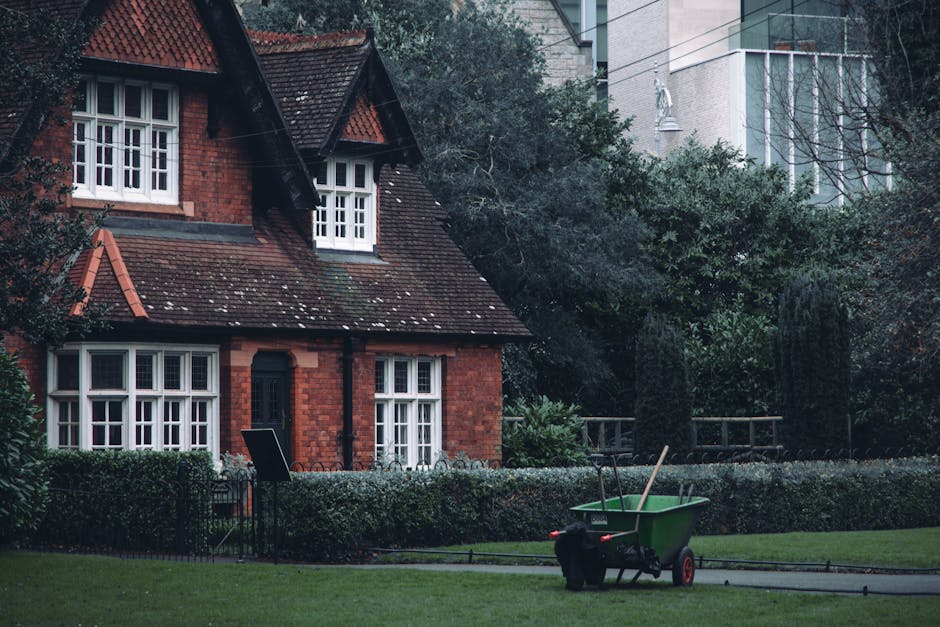
Hedge Trimming in Tufnell Park

Hedge trimming in Tufnell Park is about keeping living boundaries neat, balanced and healthy while shaping them to suit the garden they belong to. We trim hedges for homes, shared gardens and managed outdoor spaces, focusing on clean lines, steady regrowth and a finish that looks deliberate rather than clipped at random. The work can be carried out as routine upkeep or as a corrective cut when growth has become uneven, dense or difficult to manage.
Our approach is practical and careful. Different hedge types need different treatment, and the right cut depends on whether the aim is a crisp decorative line, a fuller screen or a softer natural shape. We also consider access, neighbouring boundaries and the desired height so the result sits comfortably within the space. If you are comparing options, clear trimming and consistent maintenance usually make the difference between a hedge that merely survives and one that genuinely frames the garden well.
For a straightforward start, it helps to gather a few details about the hedge, its approximate size and how often it has been cut. You do not need a formal brief, but a simple description of the current condition and the finish you want makes it easier to discuss the job properly. Speak to us if you want a quote that reflects the hedge itself rather than a generic estimate.
What hedge trimming can include
Hedge trimming is not only about shortening new growth. It can include side reduction, height control, topping where appropriate and refining the profile so the hedge grows back into a manageable form. In many gardens the best result comes from a light, regular cut that preserves density, while older or neglected hedges may need more thoughtful reshaping to restore definition without leaving bare patches. The exact method depends on species, season and the condition of the plant.
We work with the hedge as part of the wider garden, not as an isolated strip of greenery. That means considering where the line should fall, how the hedge meets fences, paths, patios or borders, and whether the aim is privacy, ornament or simple boundary control. A hedge that is cut too hard can look thin for a while, so measured trimming is often the better choice when the structure is worth keeping. If you are planning wider outdoor improvements too, it may be useful to view our landscape gardening service alongside hedge care.
Good trimming also pays attention to the finish. Loose shoots, overhang and irregular corners can make even a well-grown hedge look untidy, so a careful cut is often as much about appearance as containment. We can usually shape the hedge to suit the property’s character, whether that means a strict formal edge or a softer, less rigid outline. For many customers, the main decision is whether to maintain the existing form or to bring it back under control with a more noticeable reset.
Keeping hedge growth under control
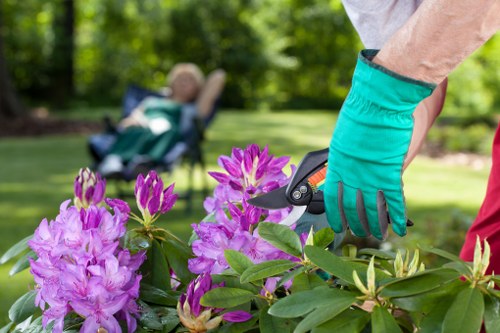
Some hedges need only a tidy-up, while others need a more substantial cut to bring width and height back into proportion. When growth has run ahead of the intended line, trimming can help recover usable space, improve light and restore a clearer boundary. The amount removed matters: taking too much at once can leave the hedge looking sparse, yet stopping too early may not solve the problem. The best results usually come from sensible reduction carried out with the plant’s structure in mind.
Seasonal timing also shapes the work. Certain hedges tolerate repeated clipping and respond well to a defined routine, while others are better trimmed less often so they retain strength and density. We do not treat all hedges the same, because species, age and previous cutting history affect how much reshaping is sensible. If a hedge sits near a path or entrance, a neat finished line can make everyday use feel more orderly without changing the character of the planting.
Where trimming forms part of a broader garden care schedule, it can sit naturally alongside other maintenance tasks such as mowing or general tidy-ups. If you need related work, you may wish to look at garden maintenance so the different jobs can be considered together. That can be useful when a hedge is only one element in a garden that also needs regular attention elsewhere.
Hedge shapes, edges and finish
The finish matters because hedges are often one of the most visible parts of a garden. A crisp top line can suit a formal front boundary, while side faces may need to be straighter near a driveway or softened where the hedge blends into planting. We aim for a finish that looks intentional from both close range and the street, with edges that follow the property rather than fighting against it. Straight lines are not the only option, but even informal hedges benefit from a clear shape.
Trimming can also influence how the hedge fills out in future. Cutting the growing tips encourages a denser outer layer, which can improve screening over time if the hedge is healthy and well established. At the same time, it is worth avoiding a style that leaves the base shaded out or the upper parts too dominant. A balanced shape helps the whole hedge receive and distribute light more evenly, supporting a better long-term result.
When a hedge forms part of a larger hard-landscaped area, its line often needs to work with the surrounding features as well. A clean edge beside decking or paved seating can make the whole garden read more clearly, especially where the hedge defines privacy around an outdoor space. If you are comparing that kind of boundary work with other improvements, our decking services page gives a useful overview of one related area.
Helpful preparation for a quotation
To request a quotation, it helps to note the hedge’s approximate length, height and thickness, plus whether access is from the front, rear or through the property. If there are awkward corners, uneven sections or mixed plant types in one run, mention those as well. This kind of detail helps set expectations before any visit or discussion. A few clear notes are usually enough; there is no need to overstate the job or prepare a full inventory.
If you can, describe the level of finish you want. Some customers want a standard tidy-up, while others need a sharper outline or a more substantial reduction. It is also useful to say whether cuttings need removing and whether the hedge is near delicate planting, boundary structures or shared access. Simple, accurate information usually leads to a better quotation than guesswork. If the hedge is one part of a bigger outdoor plan, the same details can help when comparing services and deciding what to do first.
For a quicker conversation, you can keep your notes brief and focused on the hedge itself, then ask for a quotation based on that. If you are ready to move ahead, please get in touch for a tailored quote rather than relying on a generic estimate.
Hedge trimming and wider garden work
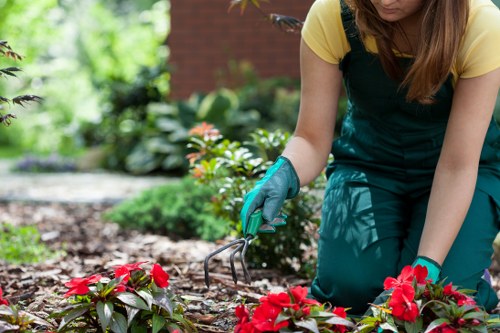
Hedge trimming often sits alongside other forms of garden care, particularly where the boundary planting, lawn and surrounding beds all affect the final appearance of the space. A hedge that is cut neatly can make the rest of the garden easier to read visually, and it can also prevent overgrowth from pressing into lawns or borders. Where a garden has become crowded, shaping the hedge can be one of the most effective ways to restore definition without replacing planting.
In some settings, hedge work is part of an overall refresh rather than a stand-alone task. That may involve reducing outer growth, then considering what else needs attention so the garden feels coherent again. We can discuss this in relation to other services where it is helpful, including lawn mowing for the open areas that sit beneath or beside the hedge. The aim is not to push every job together, but to keep the work logical where the garden would benefit from a joined-up approach.
Where a hedge has been left for a while, there may be a visible difference between the cut faces and the older interior growth. That is normal in many cases, and careful trimming can still improve the outline even if the hedge needs more than a light tidy. The key is matching the level of intervention to the plant’s condition so the work supports healthy regrowth and a tidy appearance rather than creating avoidable stress.
Choosing the right level of cut
Not every hedge benefits from the same treatment. A fast-growing hedge may need more frequent attention to preserve a neat line, while a slower, more decorative hedge may be best managed with less intrusive trimming. Some customers want strict symmetry, while others prefer a softer, more relaxed boundary that still looks maintained. A sensible quotation should reflect these differences rather than assuming every hedge needs the same amount of labour or attention.
Cutting too hard can leave a hedge looking unfinished, especially if it has not been maintained regularly. On the other hand, a cautious trim may be enough where the hedge is already dense and healthy. The most suitable approach often comes down to understanding how the hedge has been previously managed. If you want the work arranged as part of a broader garden overhaul, our services overview can help you see how hedge trimming sits alongside the rest of our work.
Some jobs are primarily about appearance; others are driven by practical needs such as keeping a pathway clear or preventing growth from narrowing access. In either case, the cut should be planned with the hedge’s future shape in mind. A thoughtful trim can improve sightlines, keep boundaries tidy and reduce the feeling that the garden is closing in, while still preserving the living screen that makes hedges so useful.
About Tufnell Park
Tufnell Park is a North London district that takes its name from Tufnell Park Road and the wider estate development associated with the Tufnell family in the nineteenth century. It sits across parts of the London Boroughs of Islington and Camden, with a varied urban fabric that includes Victorian and Edwardian terraces, later infill, and streets shaped by the pressures of London growth. The area is closely linked with nearby Archway, Kentish Town and Holloway, and its everyday character comes from this blend of residential streets, local shops and transport connections rather than from any single landmark. Tufnell Park Underground station, on the Northern line, has long made the district easy to reach, and the surrounding streets are known for their largely domestic scale, with front gardens, boundary walls and mature planting adding texture to the townscape. While it is a compact place in geographic terms, it has a recognisable identity rooted in local housing history and steady residential use. Green space nearby includes Whittington Park to the west and larger open areas such as Parliament Hill on the wider ridge of Hampstead Heath to the north-west, while the Caledonian Road and Kentish Town corridors connect the area to busier commercial stretches. The district’s streets often show a mix of brick façades, sash-windowed houses and later apartment buildings, giving Tufnell Park a layered appearance that reflects different periods of London development. Its appeal lies partly in that balance of ordinary neighbourhood life and easy access to central routes, and partly in the strong street presence created by its housing stock, trees and compact garden plots.
Practical trimming for front and back gardens

Front gardens often need hedge work that is as much about presentation as it is about size. A hedge at the front of a property helps define the boundary, frame the entrance and influence the first impression of the house, so the cut usually needs to look clean from pavement level. Back gardens may call for a different finish, particularly where the hedge provides privacy, softens fencing or divides separate areas of planting. In both settings, a tidy result comes from matching the cut to the function.
Hedges in enclosed spaces can be especially sensitive to light and access. That means trimming should avoid leaving the hedge too thin on one side or too uneven where one section receives more sunlight than another. A balanced approach is often the safest way to maintain shape without creating a patchy appearance. If you are considering other garden work at the same time, our garden clearance page may be relevant where overgrown materials or accumulated cuttings also need attention.
We also think about the way the hedge meets paths, gates and entrances. A narrow strip of overgrowth beside a walkway can quickly make the whole space feel untidy, even if the rest of the garden is well kept. Careful trimming solves that without changing the essential role of the hedge. Where needed, the work can be discussed as part of a larger maintenance plan so the garden stays manageable through the season.
Supporting neat, healthy regrowth
A good hedge trim should do more than create a short-lived tidy appearance. It should leave the plant able to recover and continue filling out in a way that supports future shaping. That is why the condition of the hedge matters so much. Healthy, vigorous hedges usually respond well to measured trimming, while older or stressed hedges may need a less aggressive touch. The result should be a hedge that still has depth, not one that looks stripped back without purpose.
Where a hedge has become overly broad, trimming can gradually pull it back into line without removing so much that it struggles to recover. This is especially useful in gardens where space is limited and every boundary line matters. The work can also help reduce the burden of future maintenance by restoring a shape that is easier to keep under control. If larger woody growth is part of the problem, it may be worth looking at related tree and boundary work through our tree lopping and removal page, depending on what is actually growing in the space.
The aim is always to leave the hedge looking intentional. That may mean a formal top, a tapered side or a more relaxed finish, but it should not mean leaving ragged edges or a line that visibly fights the rest of the garden. When done well, hedge trimming becomes one of those tasks that quietly improves the whole property by making boundaries calmer, cleaner and more coherent.
Request a quotation for hedge trimming

If you would like to arrange hedge trimming in Tufnell Park, the next step is simple: tell us what type of hedge you have, what shape or height you want, and whether the work is for a one-off tidy or ongoing upkeep. That gives enough context to discuss the job properly and prepare a quotation that is relevant to the hedge itself. Where helpful, we can also consider nearby garden tasks so the overall scope is clear from the start.
When comparing options, it helps to remember that the right quotation should reflect access, hedge size, density and the finish you are expecting. A carefully described job is usually easier to price sensibly than a vague one. If you are planning other improvements too, you can explore landscaping for a broader view of outdoor work that may sit alongside hedge care. Ask for a quotation when you are ready, and use the details you already have to make the process straightforward.
For direct enquiries, you can also use our contact us page. A short message with the hedge’s approximate dimensions and the kind of finish you want is normally enough to begin the conversation, and from there the service can be matched more closely to your garden.