N19 Gardeners for Properties Around Holloway Road and Stations
If you live or manage property in N19, you already know the drill: front gardens need to look presentable, shared spaces need to stay tidy, and the back garden somehow grows faster than your weekend plans. That is exactly where N19 gardeners for properties around Holloway Road and stations come in. Whether you are near Holloway Road itself, tucked behind the station corridors, or looking after a terrace, flat conversion, or small commercial frontage, the right local gardening support can make life noticeably easier.
This guide breaks down what to expect, how to choose the right service, and what actually matters in a busy North London setting. We will keep it practical. No fluff, no grand claims. Just the kind of detail that helps you decide what to do next, and do it well.
Table of Contents
- Why N19 gardeners for properties around Holloway Road and stations Matters
- How N19 gardeners for properties around Holloway Road and stations Works
- Key Benefits and Practical Advantages
- Who This Is For and When It Makes Sense
- Step-by-Step Guidance
- Expert Tips for Better Results
- Common Mistakes to Avoid
- Tools, Resources and Recommendations
- Law, Compliance, Standards, or Best Practice
- Options, Methods, or Comparison Table
- Case Study or Real-World Example
- Practical Checklist
- Conclusion
- Frequently Asked Questions
Why N19 gardeners for properties around Holloway Road and stations Matters
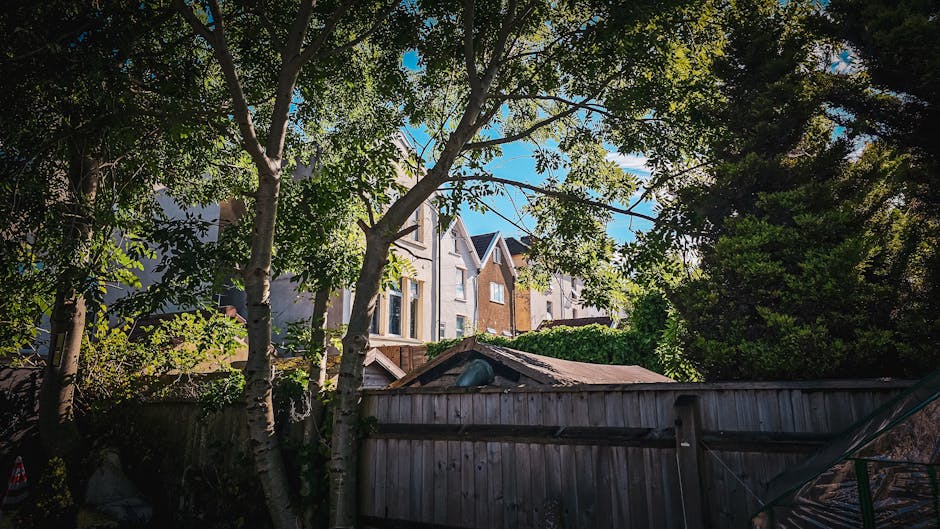
Gardening in this part of London has its own rhythm. Properties around Holloway Road and nearby stations often deal with tighter outdoor spaces, a lot of foot traffic, shade from buildings, and a constant tug-of-war between neatness and growth. A small patch of grass can look fine one week and wild the next. Ivy climbs. Hedges thicken. Paving gets slick. And if a garden is shared, everyone notices when it slips.
Good local gardening support matters because the setting itself changes the job. A front garden facing the street needs a different approach from a tucked-away rear courtyard. A rental property near a station may need quicker turnaround and reliable scheduling. A managed block might need regular maintenance rather than occasional rescue work. To be fair, that is often the real difference between a garden that stays under control and one that becomes a seasonal headache.
There is also a presentation angle. Around transport links, homes and premises are seen by more people, more often. A tidy border, healthy hedge, and clean path do more than look nice. They help a property feel cared for. That can matter if you are letting, selling, running a business, or simply trying to enjoy your space without feeling embarrassed by the view from the window.
Expert summary: In N19, the best gardening support is usually the kind that combines regular maintenance, sensible plant care, and an understanding of compact urban spaces. That is what keeps work manageable, not dramatic once-a-year overhauls.
If you are looking at broader upkeep, it can help to review the provider's services overview and learn more about the team behind the work. That gives you a clearer feel for whether they suit your property type and expectations.
How N19 gardeners for properties around Holloway Road and stations Works
In practice, local gardening work usually starts with a walk-through or a short conversation about the site. A good gardener will look at the space, the season, the condition of the plants, and how often the garden tends to slip. They will not just ask what looks untidy. They will ask what you want the space to do.
That might sound obvious, but it matters. A family garden with children and pets needs a different setup from a low-maintenance courtyard. A rental property near a station may need tidy borders, weed control, and hedge trimming that can be kept on repeat. A communal area may need a light-touch plan so the space stays neat without looking overworked.
Typically, the process looks something like this:
- Initial assessment: the condition of lawns, hedges, beds, paths, and hard surfaces is reviewed.
- Priority setting: urgent tasks are identified first, such as overgrown hedges, blocked access, or trip hazards.
- Service plan: the work is arranged as a one-off, a seasonal tidy-up, or a regular maintenance schedule.
- Completion and clean-down: cuttings and waste are removed or handled responsibly, leaving the site usable.
- Follow-up: if the garden needs ongoing care, timing is set for the next visit before things get out of hand again. Simple, but effective.
The best local services are also clear about practical details such as access, timing, and communication. If you want to understand how requests, bookings, and payments are handled, it is worth checking the provider's pricing and quotes information and their payment and security page.
And yes, if a garden is awkwardly laid out or only reachable through a shared side passage, that should be discussed early. Nobody enjoys discovering that the hedge cutter cannot be brought in through the narrow bit after the booking is already set.
Key Benefits and Practical Advantages
The obvious benefit is a tidier garden. But the real value goes beyond appearances. In the N19 area, with its mix of residential streets, rental stock, and properties near busy routes, regular garden care can prevent small issues from turning into bigger ones.
- Less overgrowth: plants stay shaped, paths stay visible, and boundaries remain clear.
- Better first impressions: useful for landlords, homeowners, and businesses alike.
- Safer access: fewer slippery patches, blocked walkways, or awkwardly hanging branches.
- Healthier plants: trimming and maintenance done at the right time tends to support stronger growth.
- Lower stress: you are not trying to fix three seasons of growth in one frantic Saturday. Been there, regretted it.
There is a quieter benefit too: consistency. A garden maintained regularly usually costs less effort to keep in shape than one left until it is visibly struggling. That does not mean every space needs weekly attention. It means the right frequency saves work later. Many property owners discover this only after one brutal spring cleanup.
For environmentally conscious clients, responsible green waste handling and careful pruning are also part of the advantage. If sustainability matters to you, it is worth asking how clippings and plant matter are managed. You can also review the provider's recycling and sustainability approach for a clearer picture.
Who This Is For and When It Makes Sense
N19 gardening services are not just for large houses with picture-perfect lawns. In fact, most of the demand around Holloway Road and the nearby stations comes from people with practical, ordinary spaces that still need proper care.
This is a good fit if you are any of the following:
- a homeowner who wants the garden maintained without losing weekends to weeding and hedge trimming
- a landlord preparing a property between tenancies
- a letting agent or property manager responsible for kerb appeal and upkeep
- a business owner with a front display area, planter beds, or small external space
- a resident in a flat conversion or shared house where outdoor areas are easy to neglect
- someone with mobility limits, time pressure, or simply no desire to wrestle with a hedge trimmer in the drizzle
It makes sense to bring in a gardener when you notice one of three things: the space is affecting appearance, the maintenance is becoming too time-consuming, or a task is now beyond what you can safely manage yourself. That last one is easy to ignore until the ladder starts wobbling. Truth be told, that is not the moment to improvise.
It can also make sense seasonally. Early spring is a common reset point. Late summer often needs a tidy before growth slows. Autumn tends to bring leaf fall, damp paths, and border clean-up. Winter, while quieter, is still useful for planning, pruning certain plants carefully, and preparing for a better start next year.
Step-by-Step Guidance
If you are trying to organise gardening support for a property near Holloway Road or one of the nearby stations, it helps to keep the process simple. Here is a sensible way to approach it.
- List the problems clearly. Is it hedge height, weeds, lawn care, pruning, leaf clearance, or a mix of everything? A short list works better than "the whole garden is a bit much".
- Decide what outcome you want. Do you want a one-off tidy-up, a recurring maintenance plan, or help preparing the property for photos, guests, tenants, or sale?
- Check access and timing. Think about side entrances, parking, shared courtyards, and any time restrictions. Around busy roads and station areas, timing can affect how smoothly the job goes.
- Ask what is included. Clarify whether cuttings are removed, whether waste handling is included, and whether the work covers both front and rear spaces.
- Review safety and insurance basics. A professional outfit should be able to talk plainly about safe working practices and cover. It should not feel awkward to ask.
- Set a maintenance rhythm. If you want the space to stay smart, book the next visit before the current one fades from memory.
A useful rule of thumb: if you wait until the garden looks urgent, the job usually becomes more labour-intensive. Not impossible, just messier. Much messier.
When you are comparing options, it is sensible to check the provider's insurance and safety information and their published health and safety policy. Those pages help show whether they take the practical side seriously.
Expert Tips for Better Results
Here is where small decisions make a big difference. In urban gardens, especially around busy local corridors, the best results usually come from steady maintenance rather than dramatic intervention. A few tips from real-world practice:
- Trim before plants become a problem. Light, regular work is cleaner and often healthier for hedges and shrubs than heavy cutting after months of neglect.
- Prioritise visibility and access. Keep paths, entry points, and boundaries clear. It improves safety and makes the whole property feel cared for.
- Match the approach to the plant. Some plants tolerate shaping well; others need a gentler hand. Over-cutting can leave a garden looking bare for too long.
- Think in layers. Frontage, side return, and rear garden often need different treatment. One size does not fit all. Not even close.
- Keep a seasonal note. What worked in April may not be right in August. A good gardener will adjust with the weather and growth pattern.
It also helps to be clear about the look you want. Some clients like crisp, sharp edges and a very neat finish. Others want a softer, greener feel with less visible intervention. Both are fine. The key is consistency. If the style keeps changing every visit, the garden can start looking a bit confused, like it has had too many opinions.
One more thing: if your garden sits in partial shade, especially common near taller buildings and station-adjacent streets, you may need a different lawn and planting plan than a sunny suburban plot. Shade-loving planting and realistic mowing expectations can save a lot of frustration.
Common Mistakes to Avoid
Most garden problems in N19 are not caused by one huge mistake. They build up from small, avoidable habits. The good news? They are fixable.
- Leaving everything until it is overgrown: this makes the work slower, more expensive in effort, and sometimes harder on the plants.
- Choosing on price alone: the cheapest option is not always the best value if the finish is weak or the work is incomplete.
- Not asking about waste removal: a neat garden with a pile of clippings left behind is not quite a neat garden.
- Ignoring access issues: many local properties have narrow passages, shared entries, or limited parking. Mention it early.
- Expecting one visit to solve long-term neglect: a heavy tidy can help, but steady maintenance is what keeps the place under control.
- Over-pruning: cutting too hard can leave hedges thin or plants stressed. More is not always better.
A very common one, especially with busy households, is forgetting to schedule the next visit. The garden then drifts. By the time someone notices, the work is back to square one. A bit annoying, frankly.
Tools, Resources and Recommendations
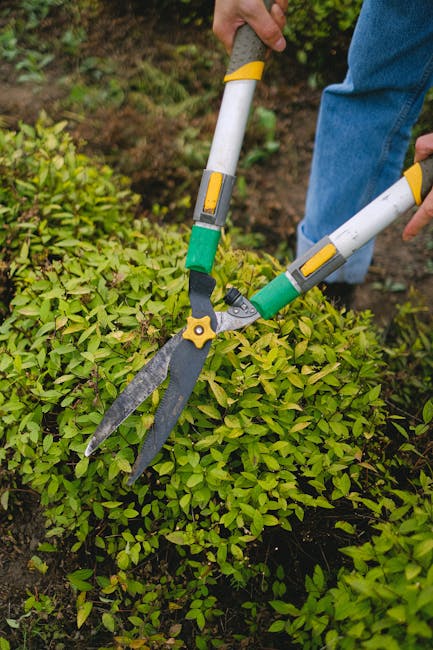
You do not need to become a gardening expert to manage outdoor space well, but it helps to know what a proper job usually involves. Depending on the garden, that may include hedge trimmers, shears, lawn equipment, hand weeders, edging tools, rakes, and bags or systems for clearing cuttings.
For property owners, the more useful "resources" are often simple documents and habits:
- a short site note describing access, gate codes, parking, or shared areas
- a list of plants you know should not be cut back too hard
- photos of the garden before work starts, especially if you want a specific finish
- a calendar reminder for repeat maintenance
- a preferred contact route for changes or weather-related delays
If you want to choose the right provider, start with the basics: what services they cover, how they handle safety, and how they communicate. The most useful pages to review are usually the service summary, the pricing and quotes page, and the company's background. Those three together tell you a lot without anyone needing to over-explain themselves.
If you are worried about complaint handling, access, or accessibility requirements, it is also worth looking at the relevant trust pages such as complaints procedure and accessibility statement. They are not glamorous reads, granted, but they do build confidence.
Law, Compliance, Standards, or Best Practice
Garden maintenance is not usually a heavily regulated service in the way some trades are, but that does not mean standards do not matter. There are still sensible expectations around safety, waste handling, public-facing work, and fair treatment.
In the UK, good practice generally includes:
- working safely around ladders, tools, and uneven ground
- taking care with boundary walls, railings, and shared access points
- removing or managing green waste responsibly
- being clear about what is included before work starts
- respecting neighbours, shared entrances, and quiet times where possible
For landlords and property managers, it is also sensible to keep maintenance records, especially where garden condition may affect access, general presentation, or tenancy handover. No need to overcomplicate it. A simple note of date, task, and follow-up often does the job.
Safety is worth repeating because it is easy to underplay. If a gardener is working at height, using powered equipment, or operating in a tight urban site, proper insurance and a clear safety approach are not "nice extras". They are basic professionalism. You can review those expectations via the site's insurance and safety page and health and safety policy.
One final best-practice note: if plant waste is being taken away, ask where it goes in broad terms. You do not need a lecture. Just enough clarity to know the service is being handled responsibly.
Options, Methods, or Comparison Table
Different properties need different levels of input. Here is a straightforward comparison that may help you decide what makes sense.
| Option | Best for | Typical strengths | Limitations |
|---|---|---|---|
| One-off tidy-up | Overgrown gardens, pre-sale prep, end-of-tenancy refresh | Fast visible improvement, good for urgent jobs | Can be harder to maintain afterwards if no follow-up is planned |
| Seasonal maintenance | Properties that need spring, summer, or autumn attention | Balances effort and cost, keeps growth under control | May not be enough for heavily used or fast-growing gardens |
| Regular scheduled care | Rented homes, communal spaces, frontage areas, busy households | Most consistent appearance, fewer surprises | Needs a routine and a bit of planning |
| Reactive call-outs | Unexpected issues, access problems, storm damage clean-up | Useful when something urgent crops up | Not ideal as a long-term strategy |
In many N19 properties, the best answer is not the flashiest one. It is usually the practical one. A small garden near a station might only need light recurring care. A larger back garden with heavy shade may need a smarter, slower plan. The right method depends on how the space is used, not just how it looks today.
Case Study or Real-World Example
Here is a realistic example from the kind of job that comes up often in this area. A landlord with a small rear garden off a busy North London road wanted the space to look acceptable between tenancies. Nothing fancy. Just tidy, safe, and ready for viewings.
The garden had a hedge that had grown wider than expected, weeds pushing through the paving, and a border that had become a bit of a jungle after a wet spell. The property also had awkward access through a side passage, which meant the job had to be planned carefully. The main goals were to clear the path, reduce the hedge to a manageable shape, remove obvious waste, and make the space feel lighter and easier to maintain.
The result was not a dramatic makeover in the magazine sense. It was better than that. It was useful. The whole space looked more open, the access point was clear, and future maintenance became much simpler. That is often what matters most in a real property setting. Not perfection. Just a garden that behaves itself.
And this is the bit people often forget: once the first heavy layer of neglect is removed, ongoing care becomes much easier. A lot easier. The next visit can focus on shaping, edging, and keeping things balanced rather than fighting the same battle all over again.
Practical Checklist
Before booking N19 garden help for a property around Holloway Road or the nearby stations, run through this checklist. It keeps the conversation simple and saves awkward surprises later.
- Confirm the property type: house, flat conversion, rental, communal space, or business frontage
- List the main tasks: hedge trimming, weeding, lawn care, pruning, clearance, or general tidy-up
- Note access details: gates, side returns, parking, codes, or shared entrances
- Decide if waste removal is needed
- Ask whether the work is one-off or part of a recurring plan
- Check that safety and insurance are clearly covered
- Review pricing and what is included in the quote
- Share any plant sensitivities or areas to avoid
- Set expectations for the finish: neat and formal, or tidy and natural
- Book the next maintenance visit if the space needs regular care
If you want a smoother experience, it also helps to keep communication simple. A quick photo, a short note, and a clear outcome can save everyone time. Honestly, that small bit of preparation goes a long way.
Conclusion
N19 gardens around Holloway Road and the nearby stations are often compact, visible, and busy in ways that make regular care especially valuable. The best gardening support is not just about trimming things back. It is about keeping a property tidy, safe, and manageable without turning maintenance into a weekly burden.
Whether you are a homeowner trying to keep on top of growth, a landlord preparing for new occupants, or a property manager responsible for appearance and access, a clear maintenance plan will usually beat emergency fixes every time. Start with what the space needs, choose a gardener who understands local conditions, and build a routine that feels realistic rather than idealised.
Get a free quote today and see how much you can save.
And if all you manage after reading this is to look at the garden with a more practical eye, that is still a win. One small step, then another. That is usually how the best outdoor spaces are kept in shape.
Frequently Asked Questions
What do N19 gardeners for properties around Holloway Road and stations usually help with?
They typically help with hedge trimming, lawn care, weeding, pruning, seasonal tidy-ups, leaf clearance, and general garden maintenance. For many local properties, the work also includes keeping paths, borders, and frontages neat and usable.
Are these services suitable for small gardens and courtyards?
Yes. In fact, small urban gardens often benefit the most because they can look untidy quickly and are easy to neglect when space is limited. A modest but regular maintenance plan can make a big difference.
How often should a garden near Holloway Road be maintained?
That depends on the size of the garden, the plants, and how much it is used. Some spaces only need seasonal attention, while others need regular visits to stay under control. Fast-growing hedges and high-visibility front gardens usually need more frequent care.
Do local gardeners remove the waste after the job?
Often they do, but you should always confirm this before booking. Waste removal is an important part of the job because a tidy cut is only half the story if the clippings are left behind.
Can gardeners help with rental properties and end-of-tenancy work?
Yes, and this is a common use case in N19. A quick but proper garden tidy can improve presentation for viewings, make access safer, and help a property feel well cared for.
What should I ask before hiring a gardener in this area?
Ask about the exact tasks included, whether waste removal is part of the service, how access will work, what safety measures are in place, and how pricing is structured. Those basics tell you a lot.
Is it better to book a one-off tidy or regular maintenance?
If the garden is already heavily overgrown, a one-off tidy can be a sensible reset. But if you want the space to stay neat, regular maintenance is usually better value and less stressful over time.
How do I know if a gardener is taking safety seriously?
Look for clear information about insurance, safe working practices, and how they handle access or equipment use. If the answers are straightforward and confident, that is usually a good sign.
What makes gardening near stations different from other parts of London?
Properties near stations often deal with more foot traffic, more visibility, and sometimes tighter access or parking. That means scheduling, tidiness, and efficient work matter quite a bit more than in a quieter setting.
Do I need to prepare the garden before the gardener arrives?
Only in a basic way. Clear away fragile items, mention access issues, and let the gardener know what you want done. You do not need to pre-clean the garden. That would be a bit silly, really.
Can gardening services be tailored for shared or communal spaces?
Yes. Communal gardens, shared courtyards, and small block planting areas often need a tailored approach because access, expectations, and usage are different from a private garden.
Where can I find more information about booking and service standards?
Useful starting points include the services overview, the pricing and quotes page, and the company's contact page if you want to discuss a specific property. If you want to understand the company's approach in more detail, the about us page is useful too.
What if I have a complaint or need a policy document?
It is sensible to review the published trust pages first, including the complaints procedure and the terms and conditions. For data handling and site use, the privacy policy and cookie policy are also there if needed.