Real cost surprises when hiring gardeners in Tufnell Park
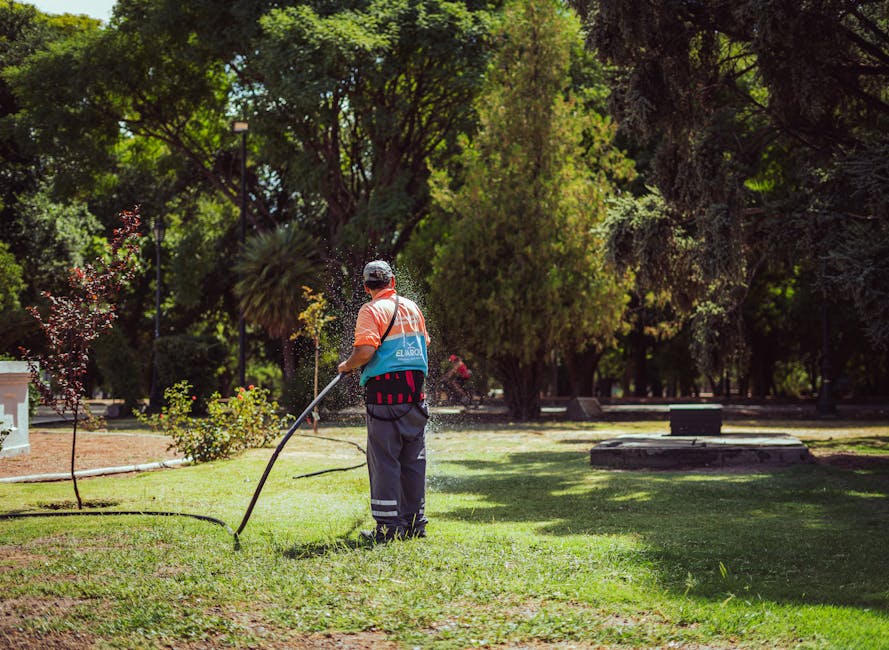
If you have ever asked for a gardening quote and then felt your eyebrows rise at the final invoice, you are not alone. The real cost surprises when hiring gardeners in Tufnell Park often have less to do with the mowing itself and more to do with what sits around it: access, waste, extra labour, awkward corners, or a job that looked simple from the pavement but felt very different once the team stepped into the garden. In a place like Tufnell Park, where gardens can be compact, shared, sloped, or tucked behind tight passages, those little details matter. A lot.
This guide breaks down where extra charges usually appear, how to spot them early, and how to compare quotes without getting caught out. You will also see where garden maintenance, hedge trimming, clearance, landscaping, and ongoing upkeep can shift the price in ways many homeowners miss the first time round.
Why real cost surprises matter
Garden work is one of those services that can look straightforward until you actually break it down. A quote might seem fine at first glance, then the extras begin: green waste removal, supply runs, parking, access delays, disposal fees, or a second visit because the first visit only covered part of the job. That is where budgets go sideways.
In Tufnell Park, the surprise is often not that gardeners charge more than expected. It is that the job was never as small as it looked. A terraced property with a narrow side path, a rear garden that only accepts wheelbarrows, or a hedge that has not been cut in ages can all change the time and cost dramatically. Truth be told, these are not unusual complications. They are just easy to overlook when you are focused on the visible part of the work.
Understanding the likely extras matters for two reasons. First, it protects your budget. Second, it helps you compare gardeners on something better than a headline rate. A low hourly price can be misleading if the job stretches longer, disposal is added separately, and the quote leaves out materials or labour for access issues.
Practical takeaway: the cheapest quote is only cheap if it includes the full scope, the waste, the access, and the finish you actually want.
If you want to see how services are grouped and described, the site's services overview is a useful place to start, especially if you are comparing regular maintenance with one-off work.
How gardening pricing usually works
Most gardeners price work in one of three ways: hourly, fixed quote, or a simple package for recurring maintenance. Each model can be fair, but each one can hide surprises if you do not ask the right questions.
1. Hourly rates
Hourly pricing is often used for unpredictable jobs. It sounds flexible, and it can be. But if the job is messy, overgrown, or access is awkward, the hours can add up quickly. You may also be paying for travel time, setup, equipment handling, or tidy-up if that is not clearly included. A one-hour job can become a half-day very easily when no one has seen the garden properly beforehand.
2. Fixed quotes
Fixed quotes give more certainty, which is lovely in theory. The catch is that a fixed quote is only as good as the assumptions behind it. If the gardener priced a standard hedge trim but did not know the hedge had grown three feet wider than expected, a reprice may follow. Or maybe the quote assumed normal waste volume, but the garden clearance turns out to be a small mountain of clippings, broken pots, and forgotten timber.
3. Ongoing maintenance plans
Recurring visits often feel more predictable because the garden stays under control. That usually means lower disruption and fewer surprises. Still, even maintenance plans can change if the scope expands. A quick lawn cut is one thing; adding edging, weeding, seasonal pruning, and waste removal is another. If the plan is not written clearly, costs can creep in over time. Sneaky, really.
For recurring upkeep, the garden maintenance page is especially relevant because regular care is often the best way to avoid emergency clear-ups and the associated price jumps.
Common price drivers you should expect
- Garden size: bigger spaces take longer and need more materials or waste handling.
- Condition: overgrown, neglected, or heavily weeded gardens need more labour.
- Access: narrow paths, rear access only, stairs, locked gates, or limited parking can all add time.
- Waste volume: green waste is not free to remove.
- Equipment: specialist tools may be needed for hedge work, tree removal, or heavy clearance.
- Season: spring and early summer can be busier, and that may affect availability or pricing.
- Finish level: tidy cut, full reset, or landscape-ready finish are very different jobs.
Key benefits of understanding the full cost
When you know what can be added to a gardening job, you make better decisions. Simple as that. You ask better questions, you spot vague wording, and you stop comparing quotes that are not actually comparable.
That gives you a few real advantages:
- Better budgeting: fewer awkward surprises on the day.
- Cleaner comparisons: you can tell whether one quote includes waste, labour, and materials while another does not.
- Less stress: no panicked calls halfway through because the job became bigger than expected.
- Faster turnaround: if the scope is clear, gardeners can get on with the work instead of negotiating details mid-job.
- Better outcomes: a properly scoped job usually looks better at the end, because the team knows what finish is expected.
There is also a quieter benefit people often miss: trust. When a gardener explains costs clearly, you tend to feel more comfortable letting them back for future jobs. That is especially important if you are choosing between a one-off clearance and a longer-term relationship for hedging, mowing, or seasonal upkeep.
For hedge-heavy gardens, it can help to review the scope for hedge trimming services before assuming a trim is just a quick pass with shears. It rarely is.
Who this is for and when it makes sense
This matters to a few different people, not just homeowners with overgrown gardens. You might need this if you are:
- moving into a property and want the garden made presentable fast
- trying to keep on top of regular garden care without overpaying
- planning a one-off tidy-up before visitors, a sale, or a letting inspection
- dealing with a garden that has been ignored for a while
- comparing landscape gardening or landscaping options for a bigger change
- trying to understand whether a clearance, prune, mow, or complete reset is the right spend
It also makes sense if you have had one of those quotes that seems perfectly reasonable until you notice the small print. You know the sort. The price looks calm, then suddenly there is a line for waste, another for parking, and one more for an "unexpected condition". Not ideal.
For larger transformations, it is worth looking at the difference between practical upkeep and more involved upgrades. If your garden needs reshaping rather than just tidying, landscape gardening or broader landscaping work may be more suitable than a one-off mow and trim. The pricing logic is different, and that difference is where many surprises begin.
Step-by-step guidance
Here is the simplest way to avoid cost surprises without turning the process into a bureaucratic saga.
Step 1: Walk the garden with the gardener, not just around it
Photos help, but they do not show everything. A cracked side gate, uneven paving, hidden waste, or a heavy hedge can all change the time estimate. If possible, ask for an on-site look before agreeing to a price.
Step 2: Separate the job into parts
Rather than asking for "garden work", break it down. Is it mowing, hedge trimming, weed removal, clear-up, pruning, waste disposal, or a full reset? The more specific the brief, the easier it is to avoid scope creep.
Step 3: Ask what is included
Do not assume. Ask directly whether the quote includes labour, fuel, waste collection, material supply, and tidying. If the answer is vague, pause. A good quote should be easy to understand, even if the work itself is not.
Step 4: Check access and parking
In parts of London, access can be a bigger pricing factor than the gardening itself. If tools have to be carried a long way, waste has to be moved in stages, or parking adds friction, it all eats time. Not dramatic, just real.
Step 5: Clarify the finish level
There is a big difference between "cut it back" and "leave it looking neat and ready for photos". The first is quicker. The second usually needs edging, sweeping, bagging, and a more careful finish.
Step 6: Confirm waste handling
Green waste is one of the most common hidden extras. A quote may cover the cut, but not the removal. If you need a complete clear-up, ask what happens to clippings, branches, soil, or old garden materials.
Step 7: Get the price in writing
Even a short written summary helps. It does not need to be fancy. It just needs to spell out the agreed scope and the main exclusions. You will thank yourself later if anything changes.
Expert tips for better results
After enough garden jobs, a pattern appears. The people who avoid surprises are not necessarily the ones who spend the most. They are the ones who ask tidy questions at the start. To be fair, that sounds obvious. But it is often overlooked because everyone wants to get the job booked quickly.
Be honest about the state of the garden
If the lawn is knee-high, say so. If the hedge has not been cut for two seasons, say that too. The goal is not to impress anyone; it is to get an accurate quote. A surprise on the day is much more likely to cost money than a frank conversation upfront.
Ask for a realistic scope, not a vague promise
"We will sort it" is not enough. What does "sort it" mean? A full tidy, a partial cut, waste taken away, edging included, beds cleared? Specific language protects both sides.
Choose ongoing maintenance where practical
Regular visits often cost less overall than letting a garden slip and then paying for a rescue mission. It is the same with many things in life, really. A small bit of upkeep now beats a big repair bill later.
Watch for 'extras' that are normal, not suspicious
Some add-ons are not rip-offs. Parking fees, extra waste, fuel, and specialist equipment may legitimately cost more. The issue is not that these exist. The issue is whether they were explained clearly.
Use the right service for the job
A lawn cut should not be priced like a full garden clearance, and a hedge reduction is not the same as a light trim. If you mix up the service type, the quote will probably feel wrong. Matching the task to the service keeps expectations sane.
And one more thing: if a job sounds unusually cheap, ask why. Sometimes it is a great deal. Sometimes it is a missing line item wearing a friendly smile.
Common mistakes to avoid
This is where many homeowners trip up, often in perfectly understandable ways.
- Comparing hourly and fixed quotes as if they mean the same thing. They do not.
- Assuming waste removal is included. It often is not.
- Not checking access. A narrow garden can be slower than it looks.
- Vaguely describing the job. "Quick tidy-up" means different things to different people.
- Forgetting about parking or loading time. Small delays add up.
- Choosing the wrong service level. A simple mow is not a clearance.
- Ignoring future upkeep. One-off fixes can get expensive if the garden quickly falls behind again.
One especially common issue is underestimating how much waste a job produces. A hedge cut that looks harmless from the front can leave a surprising pile of green waste at the back. You feel it in the budget and, if you are unlucky, in the driveway too.
Tools, resources and recommendations
You do not need fancy software to make smarter gardening decisions. A notebook, your phone camera, and a few basic questions are often enough. Still, a little structure helps.
Useful things to prepare before asking for a quote
- clear photos of the whole garden from multiple angles
- a note on access points, gates, steps, or tight passageways
- rough measurements, if you have them
- a list of what you want done now versus later
- any known waste, damaged areas, or awkward features
- your preferred timing and whether the job is urgent
Helpful service pages to review
If your garden needs specific work, the right service page can help you define the scope before you even ask for a quote. For example, lawn mowing is a different job from clearance, while garden clearance usually involves much more labour and disposal. If trees are involved, tree lopping and removal brings its own safety and access considerations. There is also a place for practical upgrades like decking services when the garden layout is being changed rather than simply maintained.
For payment confidence and a smoother transaction, it can also be worth reviewing how a provider approaches payment and security. It is a small thing, but it tends to reflect the way the rest of the business is run.
Law, compliance, standards and best practice
Garden work is not usually complicated from a compliance perspective, but there are still sensible expectations. In the UK, reputable gardeners are generally expected to work safely, handle waste responsibly, and operate with adequate insurance where appropriate. For more involved tasks, such as tree removal or work near structures, the safety side becomes more important very quickly.
Best practice usually includes:
- clear scope agreement before work starts
- safe use of tools and equipment
- appropriate insurance and safety processes
- responsible waste handling and recycling where possible
- honest communication about limits, access, and risks
If you want reassurance on those areas, the site's insurance and safety information is worth a look, along with the health and safety policy and recycling and sustainability page for waste-conscious practices.
There is also a practical customer angle here. A business that explains terms clearly, follows a complaints process, and communicates openly tends to be easier to work with when something changes on the day. That counts for a lot, especially on bigger jobs.
Options, methods and comparison table
Here is a straightforward comparison of the most common ways gardening work is priced or delivered. It will not fit every situation, but it should help you separate the simple from the messy.
| Approach | Best for | Watch out for | Cost surprise risk |
|---|---|---|---|
| Hourly pricing | Uncertain or flexible jobs | Time can run longer than expected | Medium to high |
| Fixed quote | Well-defined work | Scope changes can trigger extras | Low to medium |
| Maintenance plan | Regular upkeep | Scope creep if tasks keep being added | Low |
| One-off clearance | Neglected or overgrown gardens | Waste volume and access issues | High |
| Landscaping project | Layout changes and improvements | Materials, design changes, and phased work | Medium to high |
In plain English: the more predictable the job, the easier it is to control cost. The more overgrown or transformational the work, the more likely surprises are to appear unless the scope is carefully defined in advance.
Case study or real-world example
Here is a realistic example based on the sort of thing many homeowners in Tufnell Park run into.
A small rear garden looked like it needed a simple tidy-up: mow the lawn, cut back a hedge, remove a few weeds, and bag the clippings. The first quote came back neatly, and on paper it seemed modest. But when the gardener saw the space properly, several extra factors became clear: the garden was accessible only through a narrow passage, the hedge was thicker than expected, the lawn had not been cut in weeks, and there was far more waste than a standard tidy would produce.
The revised cost was higher, but not because anyone was being difficult. The original brief had simply been too narrow. Once the scope was corrected, the work was completed in one visit, with no awkward back-and-forth and no half-finished result. The homeowner said the best part was not the price itself but the clarity. They knew what they were paying for. That is the bit that tends to calm people down.
On the next visit, the same garden was booked as regular maintenance instead of a rescue job. The price was lower, the work was faster, and the whole thing felt less like a scramble. That is often how it goes.
Practical checklist
Use this before you confirm a booking. It is simple, but it saves money.
- Have I described the job in detail?
- Did I send clear photos from more than one angle?
- Have I mentioned access issues, parking, and side passages?
- Do I know whether waste removal is included?
- Have I asked what happens if the job takes longer than planned?
- Is the finish level clearly agreed?
- Am I comparing like with like across quotes?
- Do I need a one-off service or ongoing maintenance?
- Have I checked whether specialist equipment may be needed?
- Is the quote confirmed in writing?
If you can tick most of those off, you are in a much stronger position. Not perfect, maybe, but much stronger.
Conclusion
The real cost surprises when hiring gardeners in Tufnell Park usually come from the parts of the job that are easiest to miss: access, waste, time, scope, and finish. Once you understand those pressure points, pricing becomes far less mysterious. You can compare quotes properly, ask sharper questions, and choose a service that fits the actual condition of the garden rather than the ideal one in your head.
That is the whole game, really. Clear scope. Honest expectations. No drama on the day.
If you are ready to make the next move, choose a gardener who explains the work in plain English and gives you confidence before a single cut is made.
Get a free quote today and see how much you can save.
And if you want to understand the provider behind the work, it can help to review the about us page and the contact us page before you decide. A quick look can tell you a surprising amount about how a company treats its customers.
Frequently Asked Questions
Why do gardening quotes in Tufnell Park sometimes change after the visit?
Usually because the job looked smaller in photos than it did in person. Access, waste volume, hedge thickness, and hidden overgrowth often change the time and labour involved. That is why an on-site look is so useful.
Is waste removal usually included in the price?
Not always. Some gardeners include it, some list it separately, and some only include a basic amount. Always ask what happens to clippings, branches, and other green waste before you agree to the job.
Are fixed-price quotes safer than hourly rates?
Often yes, but only if the scope is accurate. A fixed quote is reassuring because you know the number upfront, yet it can still change if the job expands beyond what was originally described.
What tends to make garden work more expensive in a London area like Tufnell Park?
Access and logistics are big ones. Narrow entrances, limited parking, rear-only access, and the need to carry waste through the property all make the work slower and more effort-heavy.
How can I stop a simple hedge trim turning into a costly job?
Be precise about the hedge's size, condition, and how much you want cut back. If it has not been trimmed for a long time, say so. That helps the gardener quote realistically rather than guessing.
What is the difference between garden maintenance and garden clearance?
Maintenance is regular upkeep to keep the garden tidy. Clearance is heavier work for neglected, overgrown, or cluttered spaces. Clearance usually costs more because it involves more labour and more waste handling.
Should I send photos before asking for a quote?
Yes, absolutely. Photos from different angles help, but they work best when paired with a clear explanation of access, size, and the finish you want. One blurry picture of a lawn is not enough, let's be honest.
Do gardeners charge more in spring and early summer?
They can, depending on demand and scheduling pressure. Busy periods may also mean longer lead times. If you need work done at a specific time, booking earlier is usually the safer bet.
What should a good gardening quote clearly mention?
It should mention the tasks included, any exclusions, waste handling, estimated time or fixed cost, and anything that could change the price. The more specific it is, the easier it is to trust.
Is it worth paying more for regular maintenance instead of one-off jobs?
In many cases, yes. Regular maintenance often prevents the garden from becoming a bigger, more expensive project later. It is usually calmer, quicker, and easier to manage overall.
What if the job turns out to be bigger than expected on the day?
A reputable gardener should explain the difference and discuss options before carrying on. You should never feel pressured into a surprise add-on without understanding what changed and why.
Where can I learn more about the types of gardening services available?
The services overview page is a good starting point, especially if you are trying to choose between mowing, hedge work, clearance, or a broader landscaping project.